


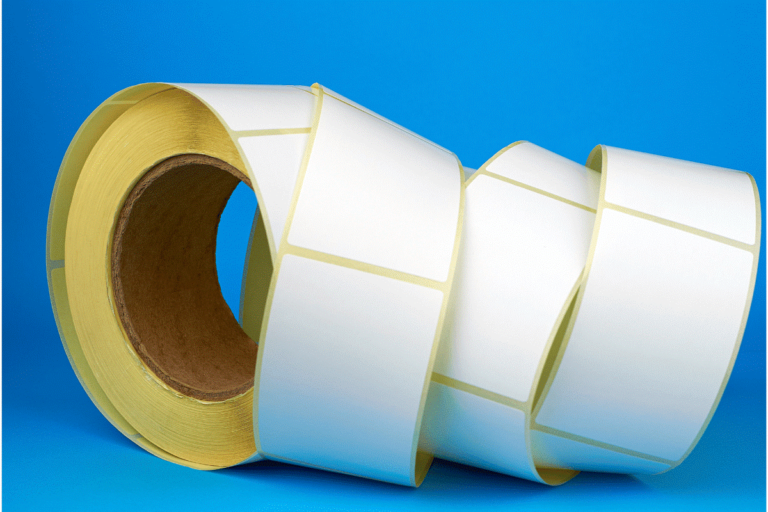
Labels are everywhere. On the products you buy, the packages you receive, and the items you use every day. But not all labels are made the same way, and not all of them perform the same way either. Self-adhesive labels are one of the most widely used labelling solutions across industries, and for good reason. At Sigma Labels, we have been manufacturing self-adhesive labels in the UAE since 2010, and this guide covers everything you need to know about how they work and why they matter.
What Self-Adhesive Labels Actually Are
A self-adhesive label is a label that comes with a built-in adhesive backing, allowing it to stick directly to a surface without the need for water, heat, or any additional glue. It is made up of three layers working together: the face material, which is the visible part of the label that carries the print; the adhesive layer, which bonds the label to the surface; and the liner, which is the backing that protects the adhesive until the label is ready to be applied.
This construction is what makes self-adhesive labels so practical. They are quick to apply, consistent in their finish, and available in a wide range of materials and adhesive types to suit almost any surface or environment.
How the Adhesive Works
The adhesive used in self-adhesive labels is what determines how well they perform in the real world. Not all adhesives are the same. Permanent adhesives create a strong, lasting bond that is difficult to remove without damaging either the label or the surface. Removable adhesives allow the label to be peeled off cleanly, leaving no residue behind. There are also specialised adhesives designed for specific surfaces such as metal, glass, plastic, frozen goods, and outdoor environments.
Choosing the right adhesive is not just about sticking power. It is about making sure the label stays in place under the conditions it will face throughout its life, whether that is exposure to heat, cold, moisture, chemicals, or direct handling. At Sigma Labels, we advise customers on the right adhesive specification for their product and application so they get a label that performs exactly as needed.
Face Materials and What They Mean for Your Label
The face material of self-adhesive labels is what you see and what gets printed on. The most common options are paper and film. Paper face materials are cost-effective and suitable for a wide range of standard applications. Film materials, such as polyester or polypropylene, offer greater durability, resistance to moisture, and a more premium finish.
The choice of face material affects not only how the label looks but how long it lasts and how it handles different environments. A label on a product that will be stored in a chiller needs a different face material to one that will sit on a shelf at room temperature. Getting this right is part of what separates a professional labelling solution from one that causes problems down the line.
Where Self-Adhesive Labels Are Used
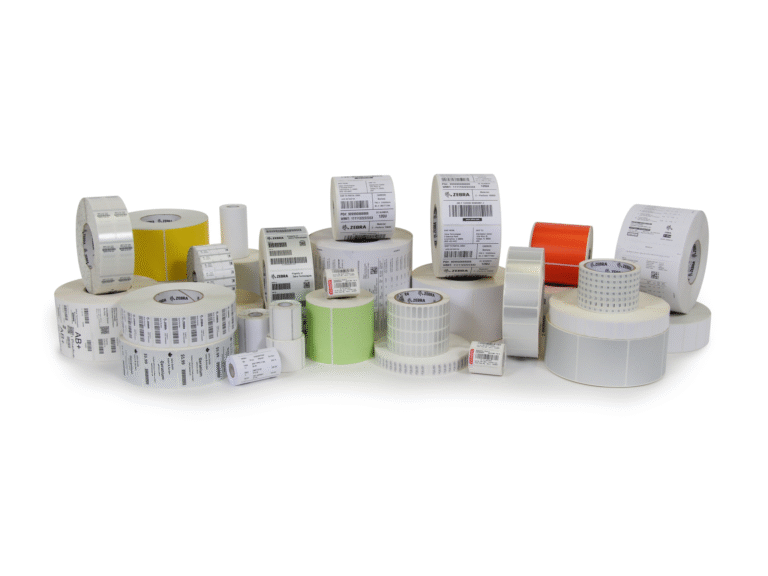
Self-adhesive labels are used across virtually every industry. In retail, they carry product information, pricing, and barcodes. In logistics and warehousing, they identify packages, track shipments, and manage inventory. In food and beverage, they provide ingredient information, branding, and compliance data. In healthcare and pharmaceuticals, they identify products and carry critical safety information.
The versatility of self-adhesive labels is one of their greatest strengths. With the right combination of face material, adhesive, and print finish, they can be customised to work on almost any surface, in almost any environment, and for almost any purpose.
At Sigma Labels, we manufacture self-adhesive labels for businesses across the UAE and the wider region. From standard rolls to fully customised solutions with foiling, spot UV, and variable data printing, we have the capability to produce labels that do more than just stick. They communicate, protect, and represent your brand at every touchpoint. Visit sigmalabels.com to find out more or get in touch with our team.
Frequently Asked Questions
Permanent self-adhesive labels use an adhesive that forms a strong, lasting bond with the surface they are applied to. They are designed to stay in place and are difficult to remove without damage. Removable self-adhesive labels use a lighter adhesive that allows the label to be peeled off cleanly without leaving residue. The right choice depends on how the label will be used and whether it needs to be repositioned or removed at any point.
Yes, but the face material and adhesive need to be specified correctly for outdoor use. Standard paper labels are not suitable for prolonged outdoor exposure as they can absorb moisture and deteriorate. Film-based face materials combined with weatherproof adhesives are the right choice for labels that will face sunlight, rain, humidity, or temperature changes.
Self-adhesive labels can be applied to a very wide range of surfaces including glass, plastic, metal, cardboard, and fabric, among others. The key is matching the adhesive type to the surface. Some surfaces, such as low-energy plastics or textured materials, require specialised adhesives to achieve a reliable bond. Sigma Labels can advise on the right specification for your specific application.
Self-adhesive labels can be printed using several methods depending on the volume, complexity, and finish required. Digital printing is ideal for shorter runs and variable data. Flexographic printing suits larger volumes with consistent designs. Sigma Labels uses high-end printing equipment to deliver precise, high-quality results across all label types and quantities.
Getting started is straightforward. Visit sigmalabels and get in touch with our team. We will discuss your requirements, advise on the right materials and adhesive specifications, and provide a quote based on your needs. Whether you need a standard label or a fully customised solution, we are here to help.