


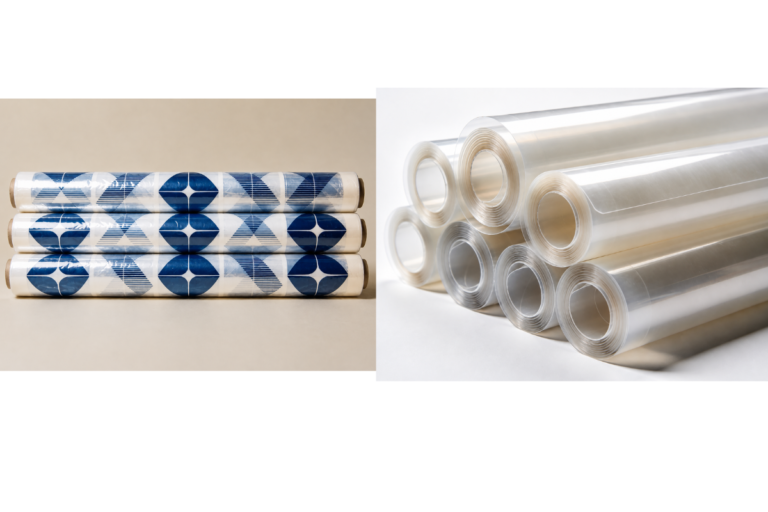
The right packaging material can make all the difference in how your product looks on the shelf, how well it survives the hands of a customer, and how your brand is viewed. If you need full body coverage, eye-catching graphics, or a reliable tamper-proof seal, two options always come up: PVC shrink sleeves and PETG shrink sleeves. Both give you plenty of space to showcase 360-degree graphics, but they behave quite differently once you look at how they shrink, how clear they are, and how they handle different container shapes. At Sigma Labels, we help businesses print custom wrap-around labels that catch eyes instantly. Getting a clear picture of these two materials will help you pick the perfect fit for your bottles and jars without wasting your budget.
Packaging is often the very first physical interaction a customer has with your product. A label that wrinkles, peels, sags, or distorts your logo can subtly signal low quality, even if the product inside is top-tier. On the other hand, a shrink sleeve that fits perfectly and conforms to every curve of your container builds instant trust and gives your brand a sleek, professional look. The choice of Polyvinyl Chloride or Polyethylene Terephthalate Glycol is not simply a choice of film or plastic. It’s about understanding how your package is handling heat application, shipping stress, retail display lights, and modern recycling expectations.
PVC Shrink Sleeves vs. PETG Shrink Sleeves: How They Compare
While both materials give your brand plenty of room to shine, their practical features set them apart during the printing process and on store shelves.
Feature | PVC Shrink Sleeves | PETG Shrink Sleeves |
Shrink Capacity | Shrinks around 50% to 60% | Shrinks up to 75% to 80% |
Best Bottle Shapes | Straight-sided bottles, cans, and standard jars | Curved bottles, pinched waists, and unique shapes |
Clarity & Finish | Good clarity with a nice glossy shine | Crystal-clear, glass-like finish |
Price Point | Friendly on the budget | Higher investment |
Recycling Profile | Harder to process in standard recycling lines | Fits better into PET recycling systems |
When to Choose PVC Shrink Sleeves
1. Cost-Effective Large Orders
If you need to keep your production costs low while keeping your graphics bright and punchy, PVC shrink sleeves are a fantastic option. They give you a smooth, high-gloss finish at a budget-friendly price point, making them ideal for high-volume runs.
2. Standard Container Shapes
Polyvinyl chloride film works best on straightforward container shapes like straight-walled cans, standard round juice bottles, or simple glass jars. Since these containers do not have extreme curves, PVC shrink sleeves pull tight around them without bunching up or twisting your design.
3. Multi-Packs and Safety Seals
For wrapping two items together in a promotional bundle or adding a clear safety band around a bottle cap, PVC shrink sleeves offer reliable hold and easy application every single time.
When to Choose PETG Shrink Sleeves
1. Uniquely Shaped Bottles
PETG film can shrink up to 80% of its original size. That extra flexibility lets the film wrap snugly around deep curves, narrow waists, and severe tapers without wrinkling or stretching your artwork out of shape.
2. Premium Shelf Appeal
If your product needs a clean, high-end look, PETG delivers remarkable transparency. It gives glass or plastic containers a crystal-clear look that resists scuffs during transport and keeps its clear finish over time without turning yellow.
3. A Step Toward Greener Packaging
More brands are moving away from chlorine-based plastics to meet sustainability goals. PETG contains no chlorine and plays much better with modern plastic recycling streams, giving your brand a cleaner packaging story.
A Quick Selection Guide for Your Brand
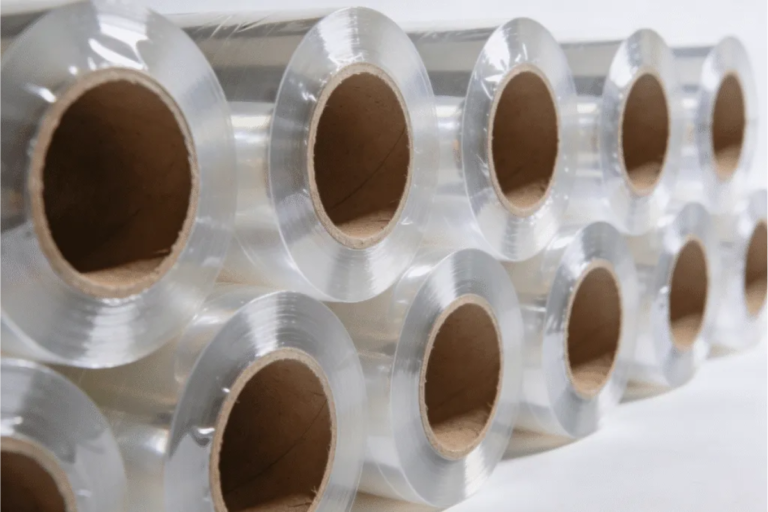
Before placing your next print order, run through this simple checklist to see which film fits your packaging setup:
- What shape is your container? Go with PVC shrink sleeves for straight sides; pick PETG for heavy curves or unique contours.
- What is your budget target? Choose PVC when you want to keep unit costs as low as possible on straightforward packaging.
- Are you aiming for greener materials? Select PETG if your retail partners or customers prefer chlorine-free packaging.
- Where will the product be stored? Pick PETG if your product goes into cold fridges or rough handling environments where tough film is a must.
Getting Your Packaging Right with Sigma Labels
Choosing between these two packaging materials comes down to your bottle design, your target visual style, and your overall budget goals. Whether you want the practical, budget-smart strength of PVC shrink sleeves for standard containers or the high-shrink clarity of PETG for custom curves, Sigma Labels gives you the hands-on guidance, sharp printing quality, and reliable label stock your brand deserves. We work alongside your team from initial artwork checks all the way to final delivery so your product stands out with total confidence on crowded shelves. Visit the Sigma Labels website for our full range of custom print solutions or get in touch with our specialists for a quote tailored to your next packaging project.
Frequently Asked Questions
PVC shrink sleeves are generally more budget-friendly, so they’re a practical pick if you want to cover large production runs on simple bottle shapes without breaking the bank.
Yes, indeed. PETG shrinks as much as 80% versus PVC’s 60%, so it easily conforms to tight curves, narrow necks, and odd bottle shapes without distorting your logo or graphics.
PVC is often separated from the regular streams of plastic recycling because it contains chlorine and is difficult to recycle. Brands that want to be easier to fit into modern recycling programs usually go for PETG instead.
Getting a tight wrap comes down to matching your heat tunnel temperature with your film type and container material. Working closely with an experienced printing partner ensures your heat settings are dialed in so your labels never scorch, wrinkle, or sag.