


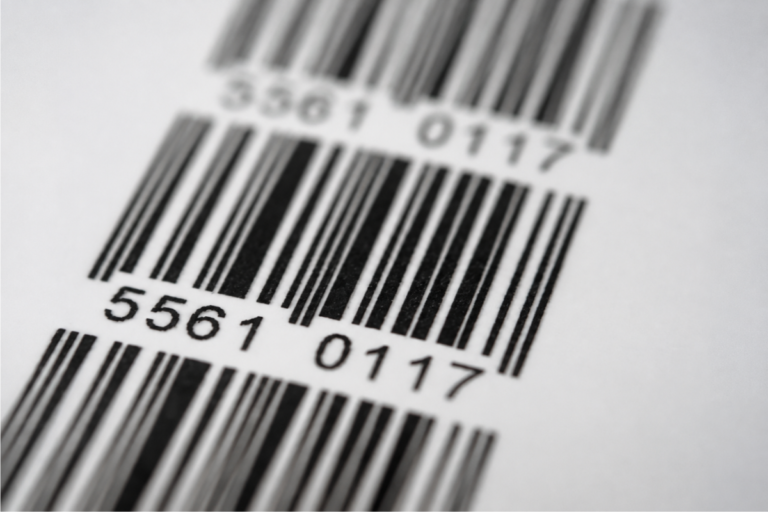
Even one unreadable barcode can cause frustrating delays, confusion in inventory, and costly reshipping mistakes in fast-paced warehouses, retail stores, and shipping hubs throughout the UAE. When a scanner fails to pick up a code, most team members immediately blame the scanner device or assume the printhead is dirty. In reality, the issue is often something much simpler: low-quality barcode ribbons. The ink formula and physical toughness of your ribbon directly control color contrast, line sharpness, and how well the print stands up to everyday rubbing. At Sigma Labels, we help businesses optimize their thermal transfer printing setups so their labels scan cleanly on the very first try. Investing in higher-grade ribbons protects your daily operations from silent bottlenecks that eat away at your profit margins.
When you’re running a busy warehouse or distribution center, every second counts. Staffers with handheld scanners move through aisles and need instantaneous reads to log inventory, verify pick lists, and load trucks. If a label doesn’t scan the first time, a worker has to reset the scanner, smooth out the label, or type in a twelve-digit code by hand. Multiply those lost seconds across hundreds of packages a day, and you lose hours of productive labor for your team. Beyond lost time, bad scan rates lead to missing stock counts, wrong shipments going out to retail partners, and expensive chargeback fines from major clients who enforce strict scanning rules.
The Hidden Connection Between Barcode Ribbons and Scanner Performance
Barcodes do not work on good looks alone; they depend on precise line geometry and high color contrast. Scanners work by firing a beam of light onto a label surface and reading how that light reflects off the light spaces between dark bars. If the contrast between the bar and the space is too weak, or if the bar edges are fuzzy, the optical sensor cannot decode the sequence.
When you use low-grade barcode ribbons, several subtle problems mess with this balance:
- Fuzzy Bar Edges: Cheap thermal ribbons bleed slightly when heat hits them, creating soft edges instead of crisp, dark lines.
- Weak Ink Contrast: Thin or patchy ink coverage fails to absorb light properly, causing reflections that trick the scanner light beam.
- Easy Smearing: Low-grade ink layers rub off during handling, transport, or cold-room storage, breaking the solid lines needed for a clean scan.
Types of Barcode Ribbons and Where Quality Matters Most
Choosing the wrong ribbon formula for your label material guarantees scanning headaches down the road. Understanding how different wax, resin, and blend options behave keeps your supply chain moving without delays.
Ribbon Type | Best Used For | Durability Level | Common Applications |
Wax Ribbons | Standard paper labels, shipping tags | Everyday use | Indoor logistics, shipping cartons, retail pricing |
Wax-Resin Ribbons | Coated paper, synthetic materials, smooth films | High durability | Warehouse shelving, outdoor shipping, cold storage |
Full Resin Ribbons | Tough synthetic labels (PET, Polypropylene, PVC) | Maximum toughness | Industrial chemicals, medical tracking, extreme heat |
1. Wax Ribbons for Standard Shipping
For high-speed shipping setups that rely on simple paper labels, quality wax formulations offer clean, dark printing at low printer heat settings. Under normal pressure, plastic wax substitutes come off in patchy lines, requiring staff to input tracking codes by hand.
2. Wax-Resin Blends for Tougher Handling
If your labels are exposed to light moisture or to frequent touching or scraping against cardboard boxes in shipping, wax-resin hybrid formulas provide you with solid scratch resistance. Premium hybrid barcode ribbons keep lines sharp, even after packages get jostled in delivery trucks.
3. Full Resin for Heavy Industrial Use
For chemical barrels, outdoor machinery, or long-term cold storage, full resin ribbons lock permanently into synthetic label stock. Top-grade resin stands up to harsh cleaning liquids, heat, and heavy scraping, keeping important tracking numbers scannable for years.
What Bad Scan Rates Really Cost Your Business
Saving a few dollars on cheap printing supplies usually leads to hidden costs that far outweigh any small material savings:
- Manual Entry Delays: Every time a barcode fails to read, a worker spends 15 to 30 seconds typing numbers manually, creating long shipping backups.
- Retailer Fines: Major retail stores and delivery hubs charge steep penalties when vendor product labels fail automated scan checks.
- Inventory Tracking Errors: Unreadable labels create missing stock numbers, lost packages, and wrong shipments that frustrate your customers.
- Faster Equipment Wear: Cheap ribbons lack smooth protective coatings, causing extra friction against printer heads and leading to sudden hardware breakdowns.
How Premium Barcode Ribbons Protect Your Printers
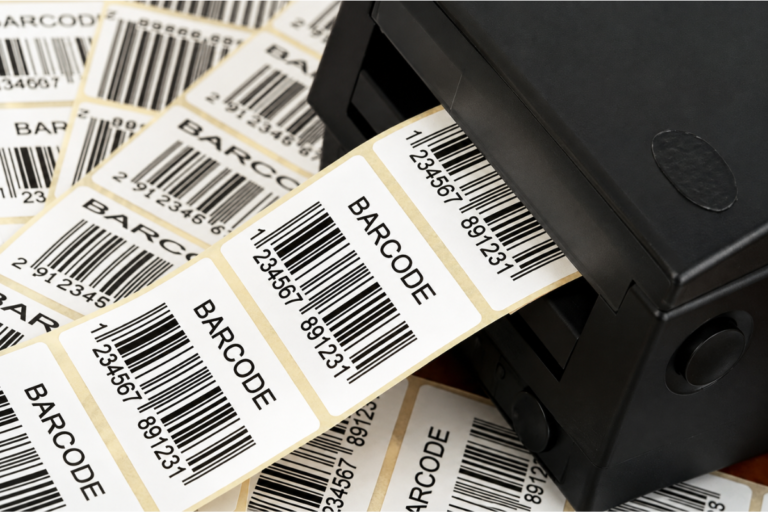
Beyond guaranteeing clean scan reads, high-performance thermal supplies protect your machinery investments. Quality barcode ribbons feature a special protective coating on the back designed to glide smoothly over delicate printhead parts. This smooth barrier reduces static buildup, spreads heat evenly, and prevents rough friction. As a result, your printer head lasts much longer, saving you from sudden repair bills, expensive replacement parts, and unexpected factory downtime.
A Quick Checklist for Reliable Scanning
Before placing your next thermal supply order, run through this simple checklist to confirm you have the right setup:
- What material are your labels made of? Pair basic paper stocks with wax or wax-resin formulas, and match synthetic labels with full resin ribbons.
- What conditions will your labels face? Pick smudge-resistant hybrid or full resin options for outdoor storage, chemical contact, or cold rooms.
- How fast are your printers running? Choose quality thermal supplies that transfer ink smoothly without needing maximum heat settings.
- Are you seeing ink buildup on your printer head? Switch to ribbons with smooth back-coating protection to keep your machinery clean and running longer.
Frequently Asked Questions
Human eyes look at labels differently than digital optical scanners do. Tiny ink bleeds, faint smudges between tight lines, or weak ink density can stop a scanner light from picking up the contrast it needs, even if the label looks fine to you.
Yes, it definitely can. Cheap products often leave out protective heat coatings. This causes rough friction and static buildup on delicate printer parts, leading to premature burnout and costly repairs.
Wax melts at lower temperatures and is great for short-term use on normal paper shipping labels. It melts at higher temperatures and sticks to plastic-style labels, so they can withstand harsh chemicals, weather, and heavy rubbing.
Heat and humidity can make cheap ink soft, causing it to smear or soak into paper fibers. Extreme cold can make low-grade ink brittle, making it chip off during shipping and breaking up the barcode lines.