


If you have ever approached a label business for a quote, you’ve likely heard the most common question: “How many do you need?” rather than whether you want digital or flexographic printing. Most people assume this is because the production method depends on your order volume: small orders go digital, and large orders go flexographic, which is mostly correct, but not entirely.
Both digital and flexographic printing produce high-quality, professional results. However, they operate on completely different economic and mechanical models. Now, the number of units you are printing doesn’t just decide the printing method, because the method also affects several other aspects of the print, including price per unit, the machine used, turnaround time, and even how your colours will look on the final product.
At Sigma Labels, we help businesses across industries, including healthcare, cosmetics, food and beverages, and industrial manufacturing, choose the right label printing method and strategy for their order scale, budget, and artwork requirements. This label printing guide explains how digital and flexographic press systems work, how order volumes affect printing, and how to choose the right process for your operational goals.
What is digital label printing?
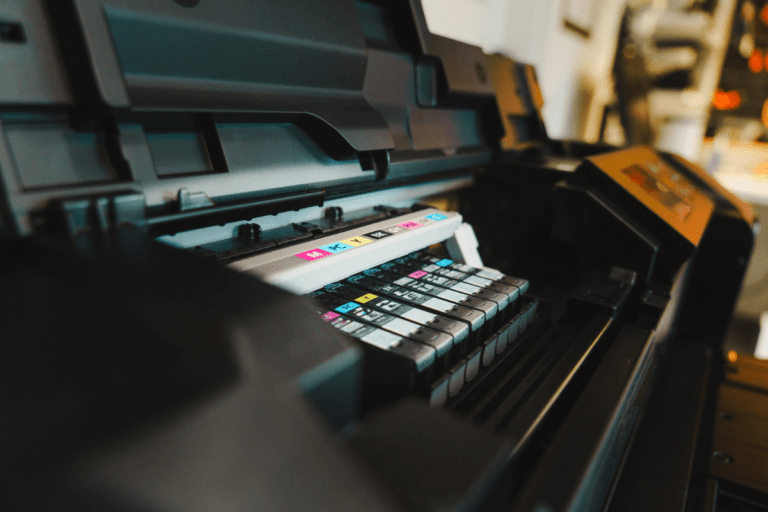
A digital label printer is much like an ordinary office printer, but on an industrial scale. The process sends the design directly from the system file to the press, where it applies ink or toner to the label material. This process does not use plates, the biggest difference between digital and flexographic label printing.
Because digital label printing skips the plate-making step, it’s much faster than flexographic printing. In many cases, this method lets you go from artwork approval to printed labels in hours rather than days.
Where you should opt for digital label printing
- Small to mid-size runs: If you need anywhere from a few hundred to a few thousand labels, digital printing is the obvious choice. This is because, unlike flexographic, you don’t need to absorb any plate costs.
- Multiple SKUs and variants: If you have multiple variants of the same product, digital label printing is a strong option. Digital label printing lets you switch designs between print runs without extra setup charges.
- Speed to market: If you are launching a new product and you need labels as soon as possible, digital is the way to go.
- Variable data: For variable data such as barcodes, batch numbers, or personalized names on each label, digital printing is the perfect choice
- Design changes: If you are updating an ingredients list or a logo, you just update the file, unlike flexographic printing, where you have to scrape it off the plates.
Where digital label printing fails
Digital label printing, just like any other method, has its own shortcomings. If your order volume is in the tens of thousands, digital’s per-label cost climbs as well. Flexographic printing costs, on the other hand, start dropping sharply because the plate expense spreads across more units. In terms of speed, digital presses run slower than flexo presses once they are up to speed. Also, digital printing makes finishes such as metallic foiling or spot varnish harder to achieve. That said, digital technology keeps improving every year, narrowing the gap between digital and flexographic printing.
What is flexographic label printing?
Flexographic label printing is the older and more established of the two printing technologies. The method uses relief plates, essentially rubber or polymer stamps, mounted on cylinders. The ink is transferred from these plates onto the label material as it passes through the press at high speed.
Flexographic printing involves a process called make-ready, where the plates are made and set up. This process alone takes a lot of time and requires upfront investment. However, once that is done, flexographic presses can print thousands of labels per minute at a very low per-unit cost.
Where flexographic label printing wins
- Large volumes: This is the opposite of when you should opt for digital printing. If your order volume is in the tens of thousands or more, flexographic per-unit costs easily beat digital.
- Wide range of substrates: Flexographic handles a wider variety of materials and finishes. This includes certain films, foil, and textured stocks that are not common in digital printing.
- Repeat orders of the same design: Flexographic plates are most useful here. Because once the plates are made, reordering the same label is fast and economical.
- Special inks and coatings: Metallic inks, certain adhesives, and heavier coatings often suit flexographic printing better.
- Speed at scale: For high-volume production runs, flexographic presses print faster in comparison once they start running.
Where flexographic printing falls short
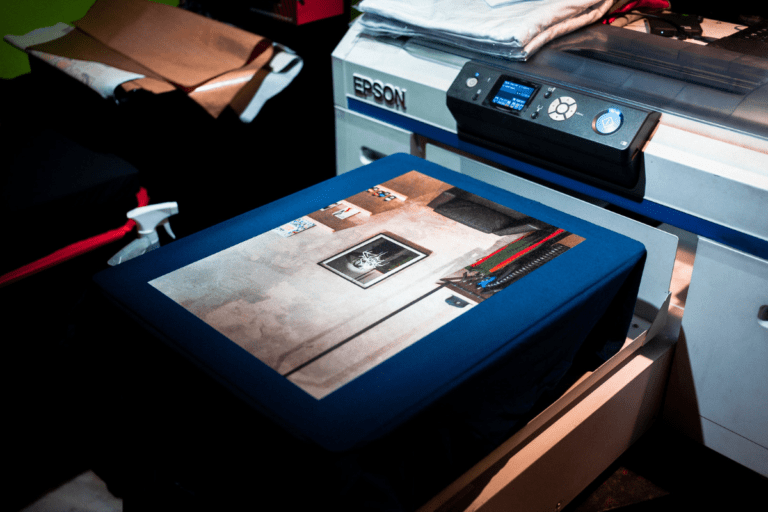
First, upfront plate cost is the major drawback compared with digital printing. For a short run, that cost alone can make flexographic printing more expensive than its alternative, even before you factor in ink and materials. This method isn’t ideal if you need frequent design changes, since each change usually requires a new plate. The longer setup time also makes this method a poor fit for urgent, same-week jobs.
Flexographic vs. Digital Label Printing: A Quick Checklist
- If your order size is under 5000 units (if it is, opt for digital label printing)
- Whether your order volume is over 10,000 units with a stable, unchanging design (In such cases, lean toward flexographic printing)
- When you need the output (if you need the labels within the same week, digital is your go-to)
- Does your product have multiple variants? (If the answer is yes, choose digital since it gives you more flexibility without extra setup fees)
- Running a seasonal promotion or limited edition sale? (In such cases, digital label printing avoids leftover plate costs that you will never reuse)
- Need specialty finishes like metallic foil or spot UV at scale? (Flexographic printing usually delivers this better in volume)
- Are you planning to test a new product in the market? (Start with the digital method so that you will not end up overcommitting before you know it will sell)
- Are you planning to reorder the same design regularly over the next year or two? (If you are, go for flexographic printing because its plate investment pays off over repeat runs)
Frequently Asked Questions
The answer is a hybrid approach that includes both digital and flexographic methods. Many of our clients at Sigma Labels don’t pick one method and stick with it forever. It’s common to launch a new product with digital printing to test the market without a big upfront investment. Then, once the product proves itself and order volumes go up, you can move to flexographic printing. This approach protects your cash flow from the start and offers cost efficiency.
comparable to flexographic printing for most jobs. Today, the main differences come down to cost, volume, and the range of speciality finishes available, rather than overall print sharpness.
Yes, we do. Sigma Labels runs both digital and advanced Italian-technology printing equipment. This means we can recommend the method that best suits your order volume, rather than steering you toward the one a business with only one of these machines offers.
