


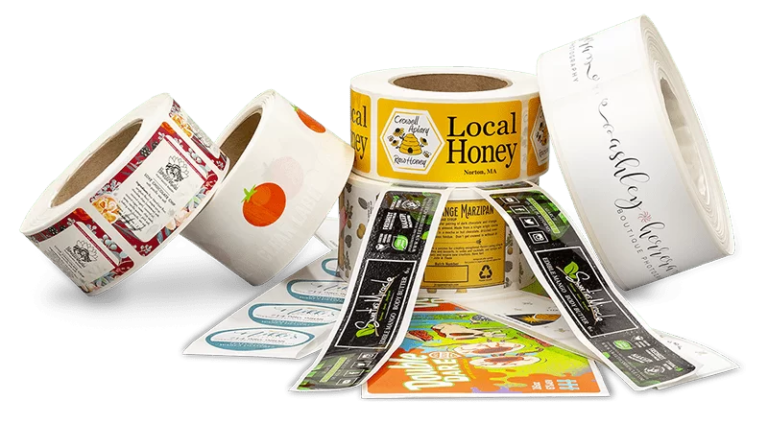
A product label is much more than a sticker on a package. It is one of the first things customers notice when they see a product on a shelf or online. A well-designed product label attracts attention, shares important information, and builds trust in your brand.
Whether you sell food, beverages, cosmetics, pharmaceuticals, chemicals, or consumer goods, the right label can influence buying decisions. At Sigma Labels, we understand that every label should combine creativity, functionality, and durability. We work with businesses to create high-quality labels that help products stand out while meeting industry standards.
This guide explains the best practices for designing an effective product label.
Why Does a Product Label Matter?
A product label has several important purposes. It helps customers identify your brand and understand what they are buying. It also provides legal and safety information.
A good label can:
- Create a strong first impression
- Build customer trust
- Highlight product features
- Improve brand recognition
- Provide important usage instructions
- Meet regulatory requirements
A professionally designed label can even increase sales by making your product more appealing.
Start by Understanding Your Product
Before designing a product label, understand the product itself and the target audience.
Ask these questions:
- Who will buy the product?
- Where will it be sold?
- What makes it different from competitors?
- What message should the label communicate?
At Sigma Labels, we help businesses match their label designs with their brand identity and customer expectations.
What Every Product Label Should Include?
A well-designed Product Label should combine branding, important product information, and an attractive layout. It is often the first thing customers notice, so it should make a strong impression while providing all the details they need.
Key elements of a Product Label:
Brand Logo
Your logo is one of the most important parts of the label. It helps customers recognise your products and creates a consistent brand identity. Place the logo in a prominent position where it is easy to see.
Product Name
The product name should be clear, easy to read, and stand out from the rest of the content. Customers should immediately understand what the product is.
Key Features and Benefits
Highlight the product’s unique selling points. Simple phrases like “Organic,” “Premium Quality,” “Eco-Friendly,” or “Made with Natural Ingredients” can quickly attract attention and influence buying decisions.
Ingredients or Materials
For products such as food, beverages, cosmetics, and personal care items, listing ingredients or materials is essential. This helps customers make informed choices and supports transparency.
Usage Instructions
Clear instructions help customers use the product correctly and safely. Keep the language simple and easy to understand.
Manufacturing and Expiry Dates
Including production and expiry dates is important for many industries. This information helps customers know the product’s freshness and recommended usage period.
Storage Information
Some products require special storage conditions to maintain quality. Adding storage guidelines can improve customer satisfaction and product performance.
Barcode and Batch Number
Barcodes simplify retail operations and inventory management, while batch numbers help with product tracking and quality control.
Safety Warnings
If required, include important safety instructions or precautions to protect customers and comply with industry regulations.
Contact Details
Providing your website, phone number, email address, or customer service information allows customers to contact your business with questions or feedback.
Certifications and Symbols
Depending on the product, certifications such as recyclable packaging, quality standards, or eco-friendly symbols can increase customer confidence.
Understanding Industry Compliance
A compliant Product Label helps protect your business and gives customers accurate product information. Labelling requirements vary by industry, product type, and region, so it is important to check the latest regulations.
Food and Beverage
Food labels should comply with FDA guidelines, include ingredient lists, nutritional facts, and allergen information. Product claims and storage instructions should also follow applicable guidelines.
Cosmetics and Personal Care
These labels typically require ingredient details, usage instructions, and safety warnings. Manufacturer information and country of origin may also be needed.
Health Supplements
Supplement labels should provide nutritional information, serving sizes, and ingredient lists. Required disclaimers and storage instructions should be clearly displayed.
Alcoholic Beverages
Labels generally include alcohol content, government warning statements, ABV percentage, statements of responsibility, and producer details. Packaging should meet the labelling standards of the target market.
Pharmaceutical and Regulated Products
These products often require batch numbers, expiry dates, dosage information, and safety instructions. Additional compliance markings may be necessary depending on the industry.
Simple Design Tips That Make Your Product Label Stand Out
A great product label should attract attention while making information easy to understand. Customers often make buying decisions in just a few seconds, so a clear design is important.
Keep the layout simple
Avoid filling every part of the label with text or graphics. White space helps important information stand out.
Choose readable fonts
Select clean and professional fonts that are easy to read from a distance. Avoid using too many font styles.
Use colours wisely
Colours should match your brand identity and create a positive emotional connection with customers. High contrast between text and background improves readability.
Create a clear visual hierarchy
Arrange information in order of importance:
- Brand logo
- Product name
- Key benefits
- Product details
- Instructions and legal information
Use quality graphics
Professional images and illustrations improve the overall appearance of the Product Label and strengthen your brand image.
Prepare Your Product Label for Professional Printing
A well-designed product label should be prepared carefully before printing. Small mistakes during this stage can lead to unnecessary costs and production delays.
Before printing, check the following:
Review the content
Confirm that all product information is accurate and free from spelling errors.
Use high-quality artwork
Images and logos should have high resolution to ensure sharp printing.
Check label dimensions
Measure the packaging carefully to ensure the label fits perfectly.
Verify color accuracy
Some colours appear different on screen than in print, so printed samples are recommended.
Test barcodes and QR codes
Make sure they scan correctly before production.
Choose suitable materials
The label material should match the product’s storage and usage conditions.
Consider the product environment
Think about exposure to:
- Water
- Heat
- Sunlight
- Chemicals
- Refrigeration.
- Frequent handling
Partner with the Right Label Printing Experts
Designing a great product label is only part of the process. Choosing the right printing partner plays a major role in achieving the best results. A reliable printing partner should provide:
Custom Solutions
Every product has different requirements, and labels should be designed to suit specific applications.
High-Quality Materials
Durable materials help labels maintain their appearance throughout the product’s life.
Advanced Printing Technology
Modern printing methods produce sharp text, vibrant colours, and consistent quality.
Premium Finishing Options
Matte, gloss, foil stamping, embossing, and Spot UV finishes can improve product presentation.
Industry Knowledge
Experience across different sectors helps ensure that labels meet both design and compliance requirements.
Reliable Production
Consistent quality and timely delivery support smooth business operations.
Common Product Label Design Mistakes To Avoid
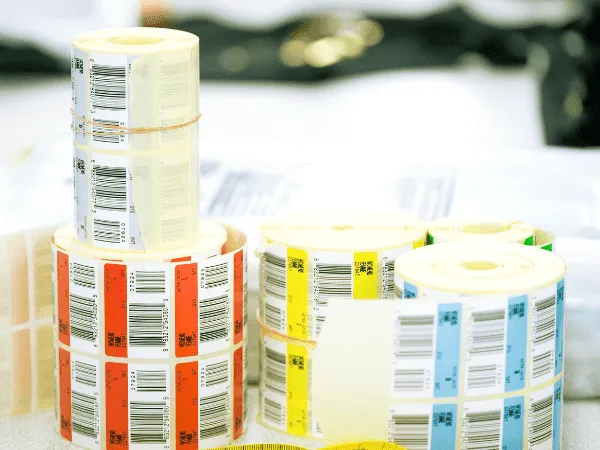
Even a high-quality product can struggle to attract customers if the Product Label is poorly designed. Small mistakes can affect readability, reduce brand value, and even lead to compliance issues. By understanding these common errors, businesses can create labels that are both attractive and effective.
- Using Too Much Information: Keep the product label clean and focus on essential details.
- Choosing Difficult Fonts: Use simple, readable fonts that customers can easily understand.
- Ignoring Packaging Size: Design the label to fit the product’s shape and dimensions properly.
- Poor Colour Contrast: Choose contrasting colours to improve visibility and readability.
- Low-Quality Graphics: Use high-resolution images and professional artwork for a polished look.
- Forgetting Compliance: Include all required legal and industry-specific information.
- Skipping Testing: Print and test sample labels before mass production to avoid costly errors.
- Not Considering Durability: Select materials that can withstand the product’s storage and handling conditions.
- Inconsistent Branding: Maintain consistent colours, logos, and design elements across your products.
- Lack of Professional Support: Partner with experts like Sigma Labels to create high-quality, effective Product Labels.
Conclusion
A well-designed product label does more than identify a product. It tells your brand story, communicates important information, and influences customer buying decisions.
The best labels combine attractive design, clear messaging, durable materials, and compliance with industry standards. Careful planning and professional production can help create packaging that customers trust and remember.
At Sigma Labels, we understand that every product deserves a label that reflects its quality and value. By focusing on design best practices and choosing the right materials and finishes, businesses can create labels that enhance their products and strengthen their brand presence in a competitive market.
Frequently Asked Questions
A product label identifies the product, provides important information, supports branding, and helps customers make informed purchasing decisions.
A Product Label should typically include the product name, brand, ingredients, usage instructions, barcode, manufacturing details, and any required legal information.
The right material depends on the product and its environment. Paper, vinyl, polyester, and transparent materials each offer different benefits for durability and appearance.
Clear and readable labels help customers quickly understand product details and improve the overall user experience.
Finishes like matte, gloss, foil stamping, embossing, and Spot UV can enhance visual appeal and create a premium look.
Testing helps identify design, colour, barcode, sizing, and readability issues, reducing the risk of costly printing errors.
At Sigma Labels, we provide customised label solutions with quality materials, advanced printing, durable finishes, and expert support to help businesses create attractive and reliable product labels.