


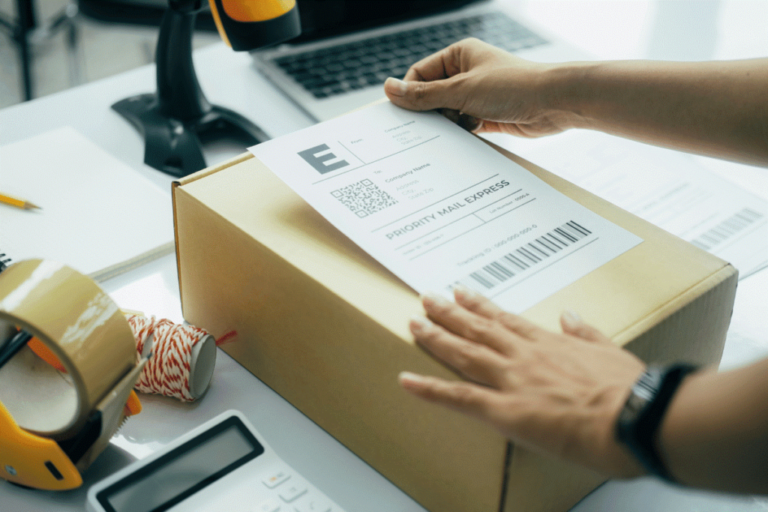
Most people consider a label to be something that displays the brand name, and just that. But is it really? I mean, sure, that is one of the purposes, but the list extends much beyond just telling the customer which brand’s product they are buying. A label reveals where that particular product has been, what the ingredients are, how to use it, along with critical bar codes or QR codes, your brand’s visual identity, and, more importantly, whether they can trust it. This makes it a crucial part of your product, and consequently, your brand, costing you more than a peel-off complaint in case something goes wrong.
It doesn’t matter whether your label looks pretty because as long as it doesn’t serve its purposes fully, it will be rendered useless. A wrong label, a label that peels off in a damp warehouse, one that bubbles on a curved plastic bottle, or a label that turns illegible after contact with household oils can cost you a lot of things: shelf space, regulatory compliance, and repeat customers are only a few of them.
Choosing the right self-adhesive labels requires matching the outer material and the adhesive to the environment it will be exposed to, container type, and the life cycle of the product. This is a guide that is meant to help you through the whole process by explaining how different industries approach self-adhesive labels, what materials and adhesives actually hold up on the job, and how to match the right combination to your product.
So, follow along!
Material and Adhesive Selective: Why They Matter
Label design, especially from a marketing perspective, is relatively important. However, there are a few more things that you need to tick off your checklist before deciding on your product label. A beautifully designed label that is printed on the wrong substrate could form bubbles, peel off, smear, or fade the moment it comes in contact with moisture, heat, or a refrigeration unit.
The truth is, the material and adhesive are the factors that make any label functional. Design, for sure, makes it attractive. But the former is equally, if not more, important than the latter for a label to be useful, and hence, they need to work together.
Go through the list below before ordering any batch of self-adhesive labels.
- Surface type: Check whether the surface of your product container is smooth glass, textured plastic, corrugated cardboard, or metal, and choose a label that works with the particular surface.
- Product lifecycle: calculate how long you need the label to stay intact on the container, based on your product lifecycle.
- Application environment: pick the label based on where your product will be placed or stored after purchase: whether it will be in a freezer, warehouse, direct sunlight, or a bathroom cabinet
- Removability: decide whether you need the label to be permanent or if it needs to come off cleanly.
- Regulatory requirements: this depends on the category your product belongs to. Food, pharma, and chemical products have mandatory information that must remain legible, and if your product belongs to any of these, make sure your choice of label complies with these regulations.
Food and Beverage: What to Look for
Food and beverages move across dry, moist, and cold environments, and, hence, their labels live adventurous lives. While moving from dry warehouses to refrigerators and humid delivery trucks to the grocery store freezers, water condensation alone can destroy a standard paper label within a few hours.
Recommended materials
- Polypropylene (BOPP) film
- Polyester
- White gloss film
These materials resist moisture, handling by wet hands, refrigeration, oils, and condensation without tearing. If you are going for clear or vivid print on your product bottles or jars, pick the white floss film material.
Adhesive checklist
- Frozen goods: Permanent adhesives with cold temperature resistance
- Returnable glass bottles: water-soluble adhesives
- Products stored in ice or brine: ultra-aggressive adhesive that grips even under extreme conditions
Pharmacy: Why Accuracy Matters
Well, you can easily guess why. In this industry, there is no room for mistakes. You cannot use labels that fade, peel at corners, or bleed ink. Here, the label is a medical document; it contains dosage instructions, batch numbers, expiry dates, and bar codes containing important information, and must remain intact for the entire product life.
Recommended materials
- Plastic/glass vials: White polypropylene or polyester
- Secondary packaging (cartons/boxes): Matte white paper
- Security: Tamper-evident material
Adhesive checklist
- Smooth glass or rigid plastic: high-tack permanent adhesives
- Small-diameter vials: wraparound-friendly adhesive that does not lift at the edges
- Security: tamper-evident adhesives that show visible damage if the label is removed
Skincare and Cosmetics: Looks and Practicality
Personal care and cosmetic products need to look premium, should have practical packaging, and need to have durable labels that last throughout their lifespan.
Your shampoo bottle can easily get dropped in the shower, or lotion bottles can fall off into the sink. You handle your perfume bottles, cosmetics, and skincare on a daily basis. This is why they need to look premium. Because every time someone picks them up, they should resist oils, water, and fingerprints without fading the finish.
Recommended materials
- Gloss or matte BOP film (moisture-resistant finish)
- Clear film labels (no-label look)
- Metallic or foil-finished materials (luxury positioning)
Adhesive checklist
- Smooth pastci and glass: permanent adhesives with good initial tack
- Products sit in bathrooms or near cosmetic ingredients: oil-resistant adhesives
When it comes this this particular category, consider finishing options as well to protect the products from damage. Use gloss lamination to protect print and add to perceived quality, spot UV coating highlights key design elements like a brand logo, and use cold foil stamping to add a metallic effect without the need for separate hot oil process.
Industrial and Lubricants: Labels Built to Survive Harsh Conditions
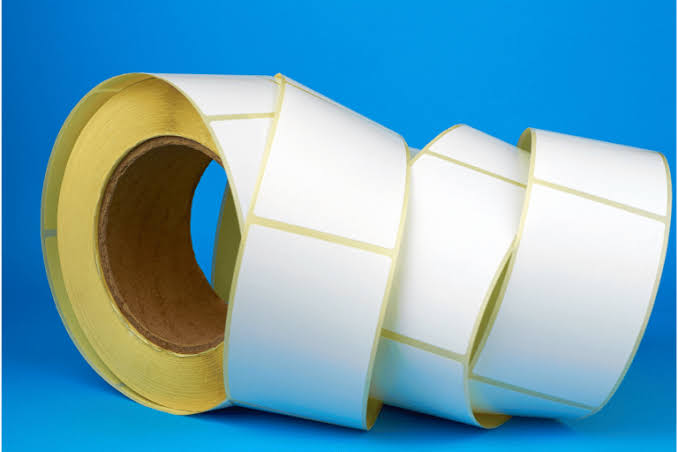
When it comes to industrial and lubricants, they can destroy a label in two different ways: labels can get damage either when they come in contact with the product which are usually strong chemicals or when they meet the conditions these products are exposed to. Labels exposed to oil, grease, high heat, UV exposure, or physical abrasion can get destroyed in a matter of hours.
A lubricant or industrial label that peels off a drum in a warehouse is not just an aesthetic issue but rather a safety and compliance failure.
Recommended materials
- Polyester (PET)
- Vinyl
- Thermal transfer labels
These are materials that can handle heat, chemicals, and physical stress. They are also flexible enough for curved surfaces and are good enough for variable data printing in harsh environments.
Adhesive Checklist
- Metal drums, plastic containers, or rough surfaces: aggressive permanent adhesives
- Products exposed to engine heat or direct sun: high-temperature adhesives
- Solvents or oils: chemical-resistant adhesives
Frequently Asked Questions
Permanent adhesives are designed to stay intact and resist removal without tearing the material. On the other hand, removable adhesives can be peeled off without leaving residue. This means that the right choice depends on whether you want the label to stay for long or not.
Peeling off at the edge is usually an adhesive or material stiffness issue. Rigid label stock does not stick well to curved surfaces. The alternative to this would be switching to a thinner film material with a more aggressive adhesive.
Yes, you do. Standard permanent adhesives lose their grip in freezing conditions. In this case, you need an adhesive specifically rated for cold-chain or deep freeze temperatures. Here, the materials also matters since the condensation is heavier on frozen goods.